Creating the Ideal Tailored Produce Boxes: A Step-by-Step Approach
Developing specialized fruit and vegetable boxes needs a strategic strategy. Specialists must evaluate environmental impact, practicality, and visual appeal. Picking the suitable components is crucial for maintaining freshness and advancing environmentally conscious practices. Moreover, dimensions and configuration can greatly impact usability and transport efficiency. Compelling visual elements strengthen company identity, while thorough testing ensures strength. Understanding these components will reveal key knowledge into creating remarkable packaging approaches that resonate to customers. What comes next is fundamental to accomplishing those targets.
Picking the Ideal Materials for Custom Produce Boxes
When picking materials for custom produce boxes, it is essential to review both operational performance and environmental impact. The choice of material considerably affects the box's durability, weight, and ability to protect the contents. Common materials feature corrugated cardboard, which supplies strength and is able to be recycled, making it a preferred choice for eco-conscious businesses. Decomposable options, such as molded pulp or plant-based plastics, also embrace eco-friendly practices while offering adequate protection for delicate produce.
In addition, liquid resistance is essential for sustaining product quality, prompting some creators to examine treated materials or specialized coatings. The visual quality of the box requires attention, as branding and visual presentation can sway market perception. Ultimately, the optimal choice should strike a balance between protecting the produce, drawing in buyers, and adhering to environmental standards, ensuring both functionality and sustainability are prioritized in the design process.
How to Determine Size and Shape for Functionality?
When deciding on the form and dimensions of custom produce boxes, careful assessment of produce dimensions is essential for proper storage. Additionally, attention to handling and transport can affect the box structure, guaranteeing ease of movement. Maximizing storage space utilization further improves functionality, allowing for effective presentation and organization.
Examine Produce Dimensions Thoroughly
Determining the proper size and shape for produce boxes is vital for functionality and efficiency. Thorough assessment of produce dimensions is necessary, as it makes sure that items fit tightly without extra room that might cause damage during storage or transport. Made-to-order containers need to support various configurations, from soft berries to large vegetables, while keeping robustness. Additionally, the height and width of the boxes should support efficient stacking and inventory control, optimizing space in warehouse spaces. A expertly crafted container not only preserves the produce but also boosts consumer appeal for end customers. Ultimately, meticulous planning of dimensions aids in minimizing waste and enriching customer journey in the logistics network.
Consider the Oversight of Handling and Transport
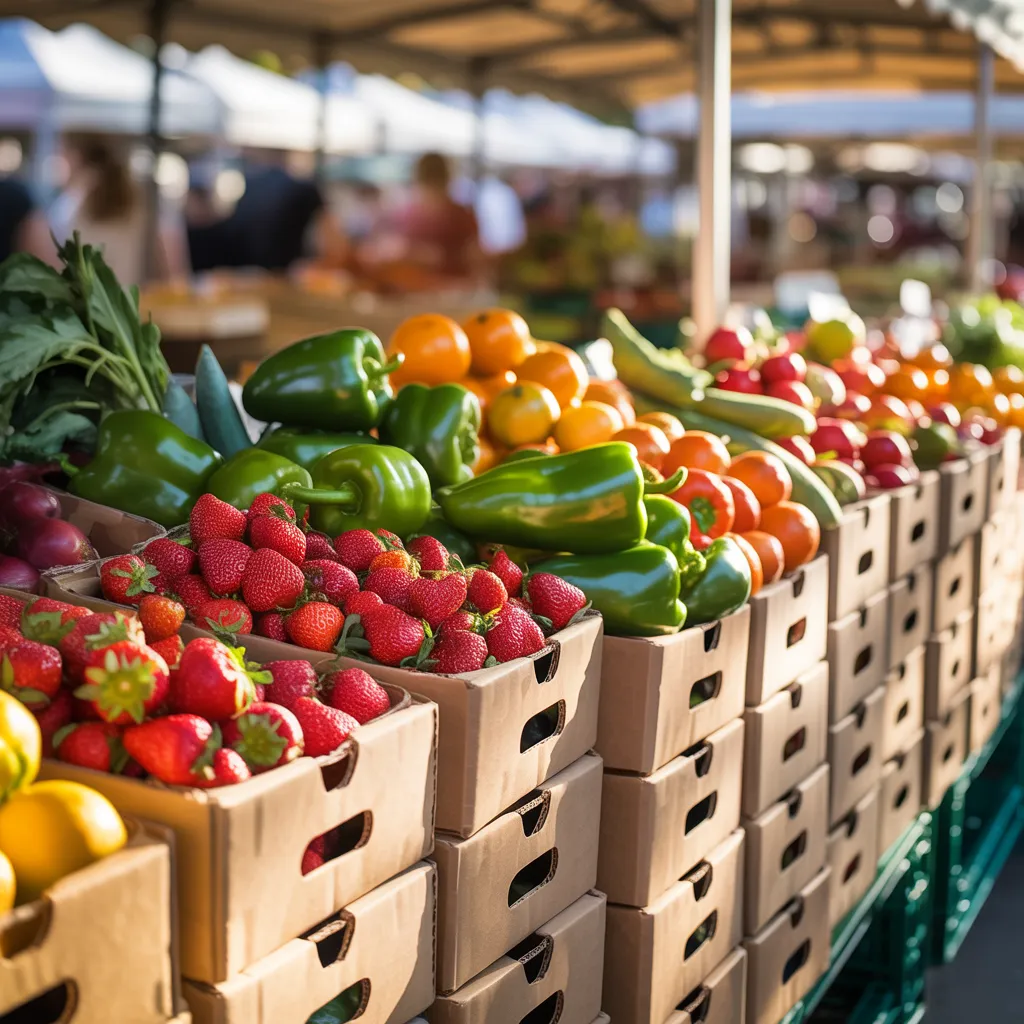
Shipping and handling considerations play a significant role in deciding the appropriate dimensions and shape of custom agricultural boxes. The dimensions must hold the produce without surplus space, which could result in movement and injury during transport. Compact boxes facilitate easier handling, while bigger containers may be necessary for bulkier products. Additionally, proper design is essential; grips or openings should be deliberately positioned to permit pleasant lifting and carrying. The shape of the box also impacts layering and stability, ensuring that items stay secure. Ultimately, thorough evaluation of such aspects boosts the efficiency of delivery, minimizes product loss, and upholds the overall integrity of the produce starting farm until end user.
Optimize Storage Space Utilization
Maximizing shelving performance depends on choosing the correct proportions and design of custom agricultural containers. Design teams should evaluate the dimensions of the storage systems as well as the types of crops being placed. Rectangular boxes often boost space efficiency, facilitating for more straightforward organization and positioning. Alternatively, non-standard forms can heighten visual appeal but may create unused space if not properly structured.
It's vital to assess the inventory turnover rate; slow-turning items might take advantage of compact, readily accessible boxes. In addition, incorporating modular or adjustable designs can enable multiple produce sizes while optimizing display organization. By go now prioritizing visual appeal combined with practicality, businesses can develop a functional and visually striking display that boosts both ease of access and promotional impact.
How to Design Graphics That Capture Attention?
Striking graphics can convert a simple custom produce box into a artistic creation that captures attention. To accomplish this, artists should begin by picking a color scheme that demonstrates the crispness and liveliness of the produce. Bold, attention-grabbing colors can trigger feelings of freshness and health, driving consumers to take a deeper glance.
Using bold typography is also essential; clear and legible fonts can successfully convey key details while enhancing visual appeal. Additionally, using high-quality images of the items can create an immediate connection, showcasing the item's excellence and attracting potential buyers.
Furthermore, adding unique patterns or illustrations can help differentiate the brand in a crowded market. Steadiness in design elements, such as logos and taglines, bolsters brand identity. Ultimately, a combination of creativity and clarity in graphic design can greatly elevate the significance of custom produce boxes, making them shine on shelves.
Sustainable Practices for Custom Produce Box Packaging
A surging count of firms are adopting eco-friendly standards for custom produce box packaging, appreciating its relevance in today's environmentally conscious market. These protocols often incorporate the use of degradable materials, such as recycled paper and plant-based plastics, which minimize environmental impact. Companies are also focusing on conscientious sourcing, verifying that materials are obtained from responsibly managed forests or suppliers who copyright environmental stewardship.
Also, many brands are choosing simple designs that lower waste while still successfully displaying their products. This strategy not only appeals to eco-minded consumers but also assists with cutting production costs. Moreover, businesses are progressively implementing streamlined manufacturing processes that restrict energy consumption and waste generation. By integrating these sustainable practices, companies not only improve their brand image but also contribute positively to the planet, aligning their operations with a sustainable future.
Verify Your Made-to-Order Produce Box Design
Testing the layout of custom produce boxes is an crucial step in guaranteeing they meet both visual and practical requirements. This process usually involves evaluating elements such as durability, dimensions, and usability. First, prototypes must be developed to assess the box's physical stability, ensuring it can endure transportation and keeping without damaging the products.
Following this, user testing sessions can be carried out to evaluate how smoothly the boxes can be opened, closed, and layered. Comments from prospective users can be essential in this period, delivering understanding of the box's practicality.
Furthermore, the aesthetic quality of the design should be evaluated through consumer testing panels or questionnaires, measuring consumer reactions to brand components, color schemes, and general appearance.
In the end, rigorous testing permits designers to enhance the box, guaranteeing it not only appeals to customers but also effectively safeguards and showcases the produce within, striking the right balance between form and function.
Efficiently Publicize Your Made-to-Order Produce Boxes
Effective promotion of personalized produce boxes necessitates a strategic approach that underscores their distinctive advantages and value. Organizations must prioritize identifying their target audience, whether they are local farms, grocery stores, or individual consumers. Utilizing social media platforms can amplify market visibility, showcasing the boxes' appearance and functionality through compelling visuals and storytelling.
Furthermore, working alongside community leaders and farm operators can boost reputation and widen reach. Presenting offers or price reductions during seasonal peaks can bring in initial customers and foster customer loyalty.
Additionally, emphasizing environmental responsibility and green practices in promotional content can resonate with eco-aware buyers. Offering comprehensive details about material composition and the advantages of tailored packaging solutions can further differentiate the offering in a competitive market.
Ultimately, a comprehensive promotional plan that combines online and local community initiatives will effectively advertise custom produce boxes, attracting a diverse clientele and driving sales.
Regularly Posed Questions
What Expenses are Included in Custom Produce Box Customization?
Costs regarding custom produce box design feature materials needed, print production, work hours, and shipping. Also, design services and minimum order quantities can modify total costs, bringing about varying prices based on unique needs and production size.
What Duration Is Required to Make Tailored Boxes?
The manufacturing of personalized packaging typically requires anywhere from two to six weeks. Elements affecting this timeline include intricacy of design, materials availability, and manufacturing capacity, all of which may impact shipping timelines and turnaround periods.
May I Submit an Request for a Small Batch of Custom Produce Boxes?
Yes, small amounts of personalized fruit and vegetable boxes can typically be requested. Many suppliers offer base purchase minimums, allowing businesses or individuals to get tailored packaging options without having to commit to large volumes at the start.
What Frequent Blunders Should You Dodge in Custom Box Creation?
Typical pitfalls in custom box design involve neglecting functionality, ignoring brand consistency, underestimating material quality, failing to consider target audience preferences, and neglecting environmental impact. Each aspect is essential for effective packaging and customer satisfaction.
How Do I Ensure My Boxes Are Food-Safe?
To ensure boxes are safe for food, one must select substances approved for food contact, prevent dangerous inks and adhesives, maintain cleanliness during production, and frequently check for compliance with health regulations and safety standards.